Background
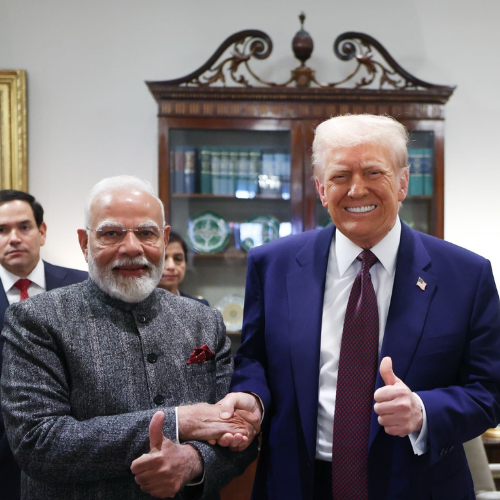
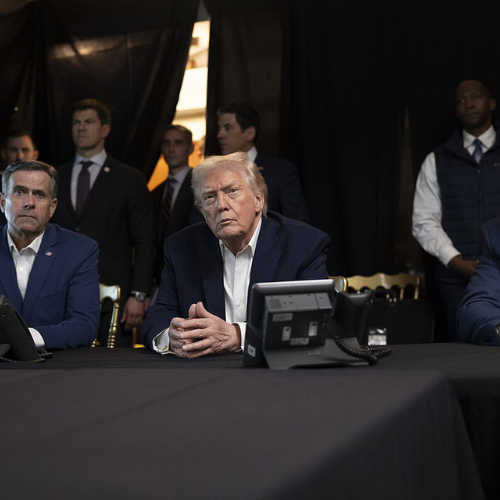
Trade negotiations between India and the United States — aimed at concluding a broad bilateral trade agreement — have recently stalled, marking a pause in what both sides hoped would be a key economic partnership for the coming decade. This impasse comes amid rising tariff tensions and diplomatic friction, even as bilateral economic ties remain significant.
India and the U.S. are among the world’s largest economies, with the U.S. as India’s biggest export market. A successful trade deal could help boost bilateral commerce toward the ambitious target of around $500 billion by 2030.
Why the Trade Talks Hit a Pause
Missed Finalization and Diplomatic Friction
According to U.S. Commerce Secretary Howard Lutnick, negotiations for a trade deal that was reportedly nearly finished broke down because Indian Prime Minister Narendra Modi did not make a final telephone call to U.S. President Donald Trump to formally close the agreement — a signal the U.S. side says was needed to finalize the pact. India has rejected this narrative, saying it engaged actively, including through multiple calls between the two leaders.
This exchange reflects broader diplomatic trust issues and differences in negotiation style, complicating the path to an agreement.
Escalating Tariff Measures
Before the talks stalled, the U.S. had already imposed steep tariffs on Indian imports — including doubling duties to 50% in 2025 — which significantly raised the cost of many Indian export products in the U.S. market. These measures were widely viewed as leverage in negotiations and have disrupted earlier progress.
India’s exports to the U.S. dropped as a result, though the economy has shown resilience in key export sectors.
Policy Differences and Sensitive Sectors
Agricultural access: The U.S. has pushed for reduced tariffs on farm and genetically modified (GM) products, while India resists opening crucial domestic sectors.
Automotive and industrial goods: U.S. tariffs on select Indian automotive exports and components have added friction.
Energy policy: India’s continued purchases of Russian oil have drawn U.S. warnings of further tariffs, adding a geopolitical layer to the economic negotiations.
Economic Implications
For India
Export Disruption and Sectoral Pain With high tariffs in place, labor-intensive sectors such as textiles, gems, footwear, and electronics face reduced competitiveness in the U.S. market, potentially cutting into export growth and profits.
Currency and Market Risks Delays in the trade deal have contributed to pressure on the Indian rupee and could weigh on investor sentiment and equity markets.
Domestic Policy Space India’s resilient domestic economy gives it some negotiating leverage, allowing policymakers to avoid concessions that could harm local industries.
For the United States
Supply Chain and Market Access Concerns U.S. firms face uncertainty in securing Indian market access for agricultural and industrial products, delaying expected gains from a trade agreement.
Tariff Costs and Consumer Impact Higher tariffs can raise import costs for U.S. businesses and consumers, particularly in sectors reliant on Indian inputs.
Geopolitical Trade Strategy As the U.S. pursues an “America First” tariff strategy, its approach to India reflects broader efforts to rebalance global trade and reduce deficits, although critics argue this risks alienating key partners.
Looking Ahead
Despite the pause, officials from both sides continue to stress ongoing dialogue and potential for future rounds of negotiations. India maintains its commitment to a trade deal that protects national interests, while U.S. rhetoric suggests a willingness to leverage economic pressure for broader concessions.
The outcome of this impasse will shape economic and strategic relations between the two democracies well into the next decade.